
California EV Mandates Explained: What Businesses Should Prepare For

Updated: Jul 8
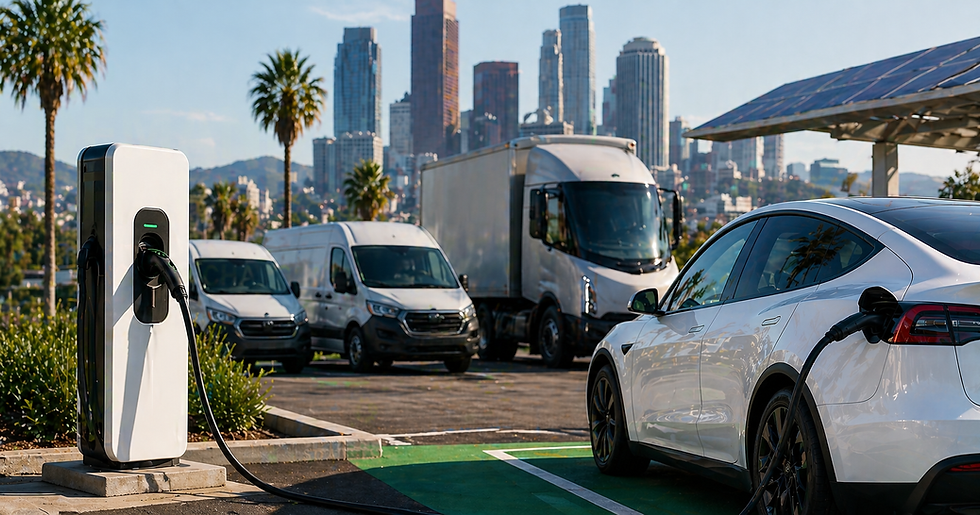
California has been at the forefront of electric vehicle (EV) adoption policies in the United States, and its mandates are shaping how businesses across many industries plan for the future. As the state moves toward reducing emissions and transitioning away from gasoline-powered vehicles, companies need to understand what these EV mandates mean and how to prepare. Whether you manage a commercial property, operate a fleet, or serve customers who rely on transportation, these mandates will likely influence your operations in the years ahead.
Understanding California’s EV Mandate Goals
California’s EV mandates are part of a broader strategy to reduce greenhouse gas emissions and improve air quality. The state has set ambitious goals to phase out the sale of new gasoline-powered passenger vehicles over time and increase the adoption of zero-emission vehicles. These policies are designed to accelerate the shift toward cleaner transportation and reduce dependence on fossil fuels across all sectors.
The Shift Toward Zero-Emission Vehicles
One of the most significant changes businesses should prepare for is the growing requirement for zero-emission vehicles. California has established timelines that encourage or require manufacturers to increase the percentage of EVs sold each year. As a result, businesses that rely on transportation will gradually see their fleets transition toward electric models, whether they are ready or not.
Impact on Commercial Fleets
Businesses that operate delivery vehicles, service trucks, or company cars will be directly affected by these EV mandates. Fleet managers will need to evaluate how and when to transition to electric vehicles. This includes assessing vehicle range, charging infrastructure, and operational costs. Planning ahead is essential to avoid disruptions and ensure compliance with evolving regulations.
Charging Infrastructure Requirements
As EV adoption increases, the demand for charging infrastructure will grow rapidly. Businesses will need to consider installing charging stations at workplaces, warehouses, and commercial properties. This is not just a convenience issue—it is becoming a necessity for keeping fleets operational and supporting employees or customers who drive electric vehicles.
Building Code and New Construction Standards
California has already begun integrating EV infrastructure requirements into building codes. New commercial developments and major renovations may be required to include EV-ready parking spaces or installed charging stations. This means developers, property owners, and contractors must incorporate EV planning into project designs from the earliest stages.
Financial Incentives and Support Programs
To help offset the cost of transitioning to electric vehicles and installing charging infrastructure, California offers various incentives, rebates, and grant programs. Businesses that take advantage of these opportunities can reduce upfront costs and accelerate their EV readiness. Staying informed about available programs can make a significant financial difference during the transition.
Operational Cost Considerations
While EVs often have lower fuel and maintenance costs compared to traditional vehicles, the initial investment can be higher. Businesses should evaluate long-term savings versus upfront expenses. Over time, reduced fuel consumption, fewer mechanical repairs, and potential tax benefits can help offset early costs, making EV adoption financially viable.
Energy Demand and Utility Planning
Increased EV usage will place additional demand on electrical systems, both at individual properties and across the broader grid. Businesses need to work closely with utility providers to ensure their infrastructure can support charging needs. Load management strategies and energy-efficient planning will become increasingly important.
Workplace Charging as a Competitive Advantage
Providing EV charging at the workplace is quickly becoming a valuable employee benefit. Businesses that offer charging options can attract and retain talent, especially as more workers switch to electric vehicles. Workplace charging also supports sustainability goals and demonstrates corporate responsibility.
Supply Chain and Logistics Adjustments
Companies involved in logistics and supply chains will need to rethink route planning, vehicle usage, and charging schedules. Unlike traditional refueling, EV charging requires more planning and downtime considerations. Businesses may need to install fast chargers or adjust delivery schedules to accommodate charging needs.
Long-Term Compliance Planning
California’s EV mandates are not short-term policies—they are part of a long-term transition. Businesses should develop multi-year strategies to gradually adapt rather than making rushed changes. This includes budgeting for vehicle replacements, infrastructure upgrades, and training staff on new technologies.
Environmental and Brand Benefits
Beyond compliance, adopting EV-friendly practices can enhance a company’s public image. Consumers are increasingly drawn to businesses that demonstrate environmental responsibility. Transitioning to electric vehicles and sustainable infrastructure can strengthen brand reputation and customer loyalty.
Preparing for Continued Policy Changes
California’s regulations are likely to evolve as technology advances and environmental goals become more ambitious. Businesses should stay informed and flexible, ready to adapt to new requirements as they are introduced. Partnering with consultants or industry experts can help ensure ongoing compliance and strategic planning.
California’s EV mandates represent a major shift in how transportation and infrastructure are managed across the state. For businesses, preparation is key. By understanding the regulations, planning for infrastructure needs, and gradually transitioning operations, companies can stay ahead of requirements while benefiting from long-term cost savings and sustainability improvements.



Comments